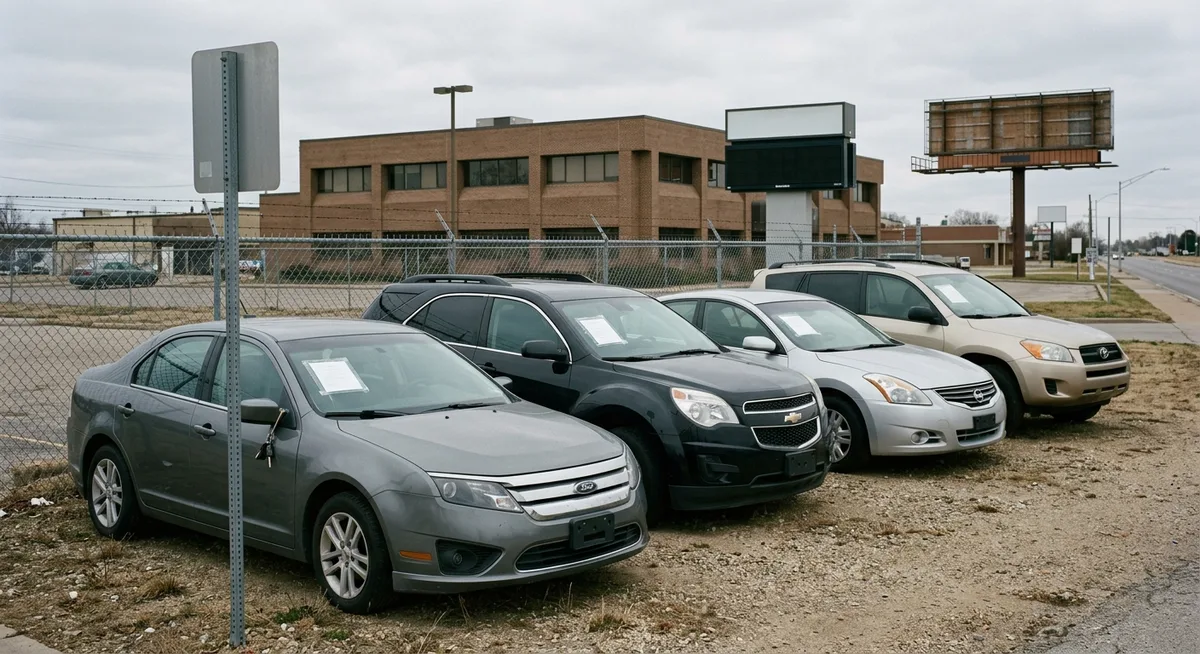
More Americans Are Failing to Pay for Their Cars as Loan Costs Reach Record Highs
The 90-day-or-more auto loan delinquency rate reached 5.60 percent in the first quarter of 2026. This figure marks a significant shift in the consumer credit landscape, surpassing the 15-year peak of 5.3 percent recorded in late 2010. While the previous record occurred as the United States recovered from the global financial crisis and high levels of unemployment, the 2026 milestone is emerging during a period where the labor market remains relatively stable. The current pressure on borrowers stems from a combination of elevated interest rates, record-high vehicle prices, and the prevalence of negative equity in trade-in cycles.
The Financial Requirements of Modern Vehicle Ownership
The cost of maintaining a vehicle has increased significantly, placing a heavy burden on the average household budget. In the first quarter of 2026, the average monthly payment for a new vehicle in the U.S. reached $770, according to LendingTree data. This reflects a 2.9 percent increase from the previous year. The used car market, which has historically served as an affordable alternative for many consumers, has also seen costs rise. As of April 2026, the average monthly payment for a used vehicle stood at $536.
Source: LendingTree / TransUnion
These payment levels are sustained by an environment of elevated interest rates that have persisted for several years. The cumulative effect of these rates has integrated higher borrowing costs into the standard auto loan. For a household earning the median income, a $770 monthly obligation requires significant prioritization against other essential costs. Data suggests that inflationary pressures across various sectors, including insurance, fuel, and groceries, are competing for the same portion of the consumer’s income that is allocated to automotive debt. This competition for funds often results in households falling behind on their vehicle payments to meet more immediate needs.
The Mechanics of Negative Equity
A primary driver of the current delinquency rate is the increase in “underwater” loans. Negative equity occurs when a borrower owes more on their vehicle loan than the car’s current market value. In many cases, when a consumer trades in a vehicle with an outstanding balance, the remaining debt is rolled into the new loan rather than being paid off.
By late 2025, approximately 29.3 percent of trade-ins toward new vehicle purchases involved negative equity. This represents the highest share of such transactions since 2021. According to data from Edmunds, the average amount of negative equity on these trade-ins reached an all-time high of $7,214 in late 2025, up from $5,808 two years prior.
To maintain monthly payments at manageable levels despite these high loan balances, lenders have extended loan terms. The average term for a new vehicle loan reached 69.5 months in early 2026. These extended timelines mean that many consumers remain in a state of negative equity for the majority of the loan’s duration, paying for a depreciating asset long after its primary value has declined. This cycle limits a household’s ability to build emergency savings or redirect funds toward interest-bearing accounts.
Source: Edmunds, 2026
The severity of the negative equity problem has shifted toward higher balances. Data indicates that a notable share of individuals now carry negative equity balances exceeding $10,000 or $15,000. These large balances create a compounding debt cycle that makes it difficult for consumers to exit their current vehicle loans without significant financial loss.
International Credit Trends
The increase in auto loan stress is visible beyond the United States, reflecting broad inflationary pressures and the impact of global central bank policies. In Canada, the 60-day auto delinquency rate reached 1.31 percent by the second quarter of 2025. According to Equifax Canada, this level is higher than those recorded during the 2008-09 recession.
In the United Kingdom, the market is facing regulatory challenges alongside economic ones. The Financial Conduct Authority (FCA) is currently investigating motor finance agreements spanning from 2007 to 2024. The investigation involves 14 million agreements, with potential compensation payouts estimated at £8.2 billion.
Source: NY Fed, Equifax Canada, 2025-2026
The global economic environment, as analyzed by the OECD, is characterized by a massive debt overhang. Total government bond debt was projected to reach $56 trillion in 2024. The OECD suggests that this level of public debt will likely exert long-term upward pressure on interest rates, maintaining high borrowing costs for private consumers for the foreseeable future. This suggests that the current cost of financing a vehicle is part of a wider structural shift in the global credit market.
The Widening Gap Between Borrowers
The headline delinquency rate of 5.60 percent obscures a deep divide between different segments of the borrowing population. There is a clear distinction between “prime” borrowers with high credit scores and “subprime” borrowers with lower scores.
Subprime auto loan delinquencies, specifically those 60 days or more past due, reached a record high of 6.66 percent in the fourth quarter of 2025. In comparison, prime delinquencies remained significantly lower at 0.63 percent. This disparity indicates that while wealthier consumers are managing the increased costs of vehicle ownership, those with lower credit scores are finding the current environment increasingly difficult to navigate.
The impact of these costs is particularly acute for households that rely on a vehicle for employment but have seen wage growth fall behind the rising costs of transportation. For many, a car is the only means of reaching a workplace, making the loan a non-discretionary expense. When the cost of that loan rises alongside other necessities, the financial margin for error for many families disappears.
Market Adjustments and Future Outlook
While delinquency rates are at record highs, there are signs that the pace of growth in these figures began to stabilize in early 2026. This stabilization occurs even as vehicle prices and financing costs remain at elevated levels.
To keep the automotive market moving, there have been slight shifts in credit standards. The median credit score for new auto loan originations moved from 724 to 716 by the end of 2025. This adjustment allows more consumers to access financing, but it also increases the pool of borrowers who may be vulnerable to future economic shifts.
The auto loan market remains a key indicator of the health of the American consumer. The 5.60 percent delinquency rate reflects the heavy weight of debt currently carried by households. In the absence of a significant reduction in vehicle prices or interest rates, the ability of consumers to service this debt will depend largely on continued stability in the labor market. As the second half of 2026 approaches, the performance of these loans will demonstrate whether the current level of debt is sustainable for the long term or if the financial limits of the average household have been reached. For millions of borrowers, the primary focus remains on balancing the high cost of a necessary asset against a tightening monthly budget.
Sources
The information presented is for educational and informational purposes only and does not constitute investment advice. MainStreet uses AI to generate content — always verify with qualified financial professionals before making investment decisions. How MainStreet works →
Discussion