One in Four People on Earth Will Be African by 2050—The Global Economy Is Unprepared
The global economic landscape is diverging into two contrasting demographic paths. While established economies in East Asia and Europe are grappling with rapidly aging populations and shrinking workforces, the African continent is moving in the opposite direction.
According to the International Monetary Fund (IMF), the median age in sub-Saharan Africa is currently roughly 19 years. This stands in sharp contrast to the aging trends observed in the world’s wealthiest nations, where the working-age population is already in decline. As traditional economic engines face the prospect of labor shortages, Africa is entering a period of significant demographic expansion. Data from the UN DESA indicates the continent’s population is projected to double to 2.5 billion by 2050.
By the middle of this century, one in four people on Earth will be African. This transition represents one of the most substantial shifts in global productivity and human capital since the late 19th century. The rise of this young population suggests that the coming decades will be defined by the economic and social trajectory of the African continent.
Source: UN Population Division / OECD, 2024
The Expansion of the Global Labor Force
Between 2025 and 2050, Africa will experience the most rapid expansion of the working-age population in modern history. Projections from the Brookings Institution suggest that the region will see a net gain of 740 million people entering the labor force during this window.
This growth presents the possibility of a “demographic dividend.” This economic advantage occurs when the number of working-age adults grows significantly faster than the dependent population of children and the elderly. If these new workers are integrated into productive industries, the resulting increase in output can drive sustained GDP growth, similar to the transitions seen in East Asia during the late 20th century.
However, the magnitude of this shift requires an equally large expansion of opportunity. To successfully capitalize on this workforce, the IMF suggests that sub-Saharan Africa will need to create as many as 15 million new jobs every year. Achieving this scale of employment is essential for maintaining social stability and ensuring that the population boom translates into widespread prosperity.
The Urbanization and Infrastructure Gap
The rapid increase in population is accelerating a massive shift toward urban centers. This migration is placing immense pressure on existing metropolitan frameworks, turning the demographic surge into a complex logistical challenge. As more young people move to cities in search of work, the demand for housing, sanitation, and transportation is outpacing current supply.
The physical requirements to support this growth remain largely unfulfilled. According to the African Development Bank (AfDB), the continent faces an annual infrastructure financing gap estimated between $68 billion and $108 billion. This deficit affects everything from power generation to road networks, creating significant hurdles for regional trade and industrialization.
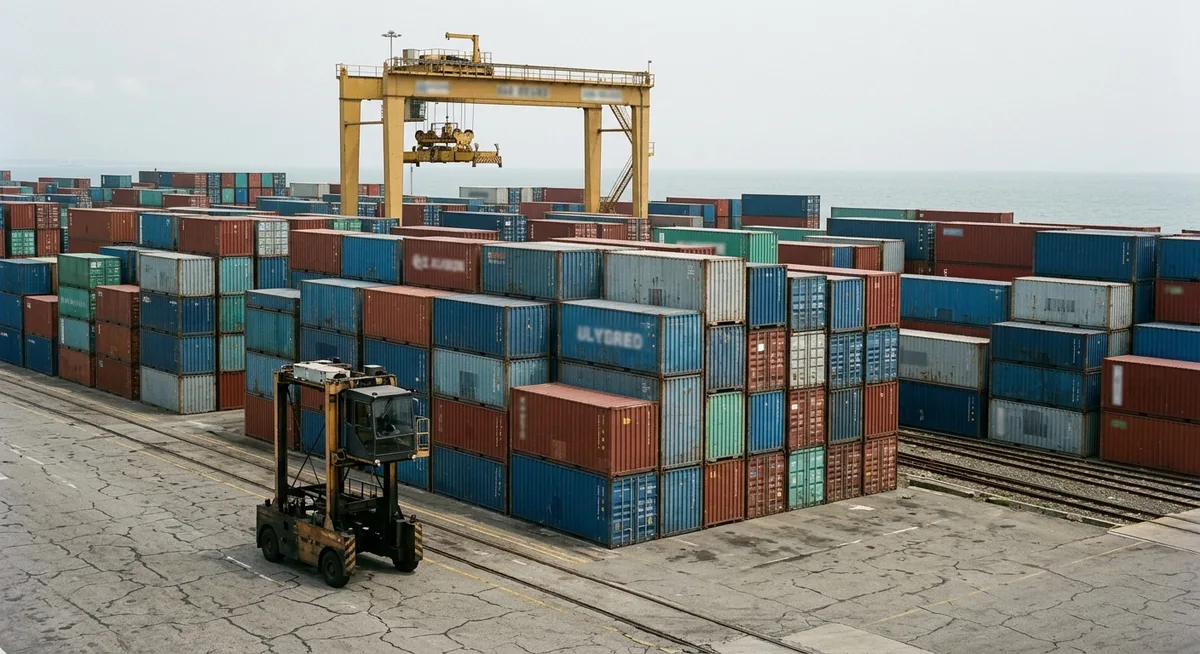
High logistics costs often act as a barrier to competition, as the lack of efficient transport corridors makes it difficult to move goods from inland production hubs to international ports. To address these bottlenecks, there is an increasing focus on domestic resource mobilization and the expansion of digital public infrastructure. By leveraging mobile money and digital financial services, many nations are working to formalize economic activity and build the capital pools necessary for long-term development.
Source: African Development Bank / MOHAC Africa, 2026
The $2.5 Trillion Consumer Market
Beyond its role as a labor source, Africa is emerging as a major hub for global consumption. The Milken Institute projects that a growing middle class will drive a $2.5 trillion consumer market by 2030. This expansion is attracting diverse international interest, though the level of engagement varies significantly by region.
China has moved aggressively to establish trade ties, with China-Africa trade reaching $295 billion by 2024. In comparison, U.S. goods and services trade with Africa totaled approximately $104.9 billion in the same year. While this represented an 8.3 percent increase over previous years, the U.S. continues to trail China in total economic engagement.
The framework for these trade relationships is also in flux. The African Growth and Opportunity Act (AGOA), which provides eligible sub-Saharan African countries with duty-free access to the U.S. market, is set to expire in 2025. The expiration of this cornerstone trade agreement has sparked discussions regarding the need for a modernized framework that secures supply chains for strategic minerals and encourages further investment in African manufacturing.
Shifting Global Dependency Ratios
The demographic trends in Africa have significant implications for the global labor market. By 2050, it is estimated that 25 percent of the global workforce will be African. During the same period, the working-age populations of China and Japan are expected to shrink as they face the challenges of an aging citizenry.
This creates a significant divergence in dependency ratios. While many Western and East Asian nations are becoming societies with a high proportion of retirees, Africa is a continent of young people. Consequently, the global economy will increasingly look to the African workforce to sustain manufacturing, technology services, and the tax bases of an interconnected world.
Source: UN DESA, World Population Prospects 2024
Rather than being a localized phenomenon, African demographic growth is a central component of global economic stability. As the international workforce ages, the integration of African talent into the global supply chain becomes more vital for maintaining global productivity levels.
The Trajectory Toward 2045
The next two decades will serve as a definitive period for the continent’s economic development. The African Continental Free Trade Area (AfCFTA) is a critical initiative aimed at reducing trade barriers and harmonizing regulations across the continent. The IMF notes that the successful implementation of this agreement is expected to significantly increase intra-African trade and bolster the continent’s long-term GDP.
The success of these reforms will depend largely on the quality of education and skill-building for the incoming generation. Economic growth is already visible; according to the African Development Bank’s 2024 report, 41 countries on the continent are expected to experience higher growth rates this year than in previous periods. Maintaining this momentum requires consistent investment in human capital.
“If investments do not occur in Africa’s youth and children, the demographic dividend may be replaced by demographic fragility,” warns the regional leadership at UNICEF. The focus remains on equipping the youth with the technical skills necessary for a digital and green economy.
The Global Center of Gravity
By 2050, the center of global population growth will have shifted decidedly toward Africa. Nigeria is forecast to become the world’s third most populous country, following only India and China. Cities like Lagos are evolving into global megacities, necessitating a larger role for African nations in international economic policy.
-
China-Africa Trade Peak
Trade reaches record $295B, dwarfing US engagement.
-
AfCFTA Implementation
Continental free trade area begins to lower intra-African tariffs.
-
AGOA Expiration
The cornerstone US-Africa trade program set to expire.
-
Consumer Milestone
Africa's combined consumer/business spending projected at $6.7T.
-
The 2.5 Billion Mark
Africa accounts for 25% of the world's population.
Source: UN / African Union / U.S. Chamber of Commerce
The health of the global economy in the 21st century is closely tied to the opportunities available to Africa’s young population. Their ability to access stable energy, participate in digital markets, and trade across borders will dictate whether the global economy enters an era of renewed expansion. The demographic data is established; the focus now shifts to how the international community and African leaders collaborate to meet the needs of a changing world.
Sources
- IMF — African Century, September 2023
- Brookings Institution — Investing in Africa’s Young Population, 2026
- UN — World Population Prospects 2024
- African Development Bank — African Economic Outlook 2024
- OECD — Society at a Glance 2025
- USTR — Africa Trade Summary 2024
- Council on Foreign Relations — AGOA: The U.S.-Africa Trade Program, 2026
- UNICEF — Generation 2030 Africa, 2024
- ISS African Futures — Africa Demographics Forecast 2026
The information presented is for educational and informational purposes only and does not constitute investment advice. MainStreet uses AI to generate content — always verify with qualified financial professionals before making investment decisions. How MainStreet works →
Discussion