Your Rising Home Value Is Coming With a Hefty Price Tag — A Growing Property Tax Bill
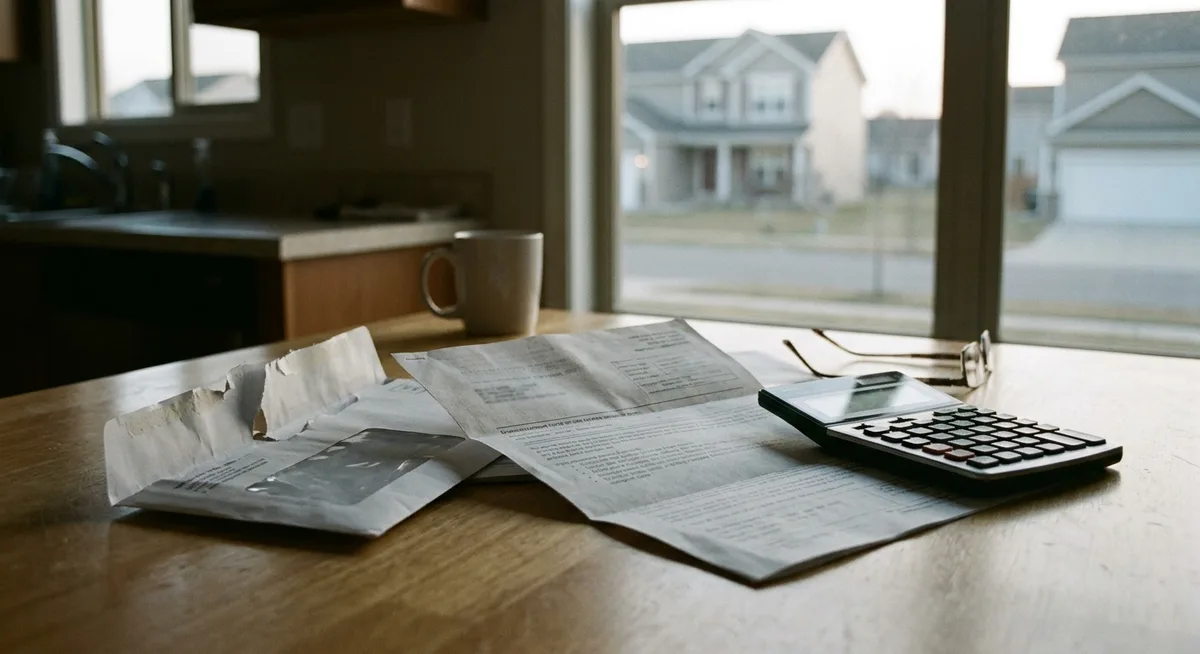
A humble envelope from the county assessor’s office is currently upending the financial stability of millions of American homeowners. For many who have lived in their homes for decades, the property is now worth more on paper than ever before, but the accompanying tax bill requires a cash outlay that is increasingly difficult to meet. This “house rich and cash poor” paradox is intensifying as the wealth built through home equity becomes a primary driver of rising living costs.
Property taxes on single-family homes in the United States surged by 6.9 percent in 2023, reaching a total of $363.3 billion, according to data released by ATTOM Data Solutions in April 2024. This represents the largest increase in five years, pushing the average property tax bill for a single-family home to $4,062. The phenomenon is reaching a peak in 2024 as the lagging mechanisms of local government assessments finally catch up with the rapid real estate appreciation seen in the early 2020s.
The Assessment Gap
The current spike in tax bills often occurs independently of immediate neighborhood market cooling. This is due to the assessment cycle, as most local governments do not update property values annually. Instead, they operate on cycles that typically range from two to four years.
During the 2022-2024 period, this created a significant discrepancy between assessed values and current market prices. Tax assessments are currently reflecting the record price hikes of the post-pandemic boom, even as transaction volumes have slowed in many regions. The result is a “sticker shock” for long-time residents whose household incomes have not kept pace with the appreciation of their home’s paper value.
Source: ATTOM / U.S. Census Bureau
Data from the 2023 and 2024 reassessment cycles show residential assessments rising by double-digit percentages in many high-growth metropolitan areas. According to the Lincoln Institute of Land Policy, the lag in the assessment process means that the tax burden is often based on peak market valuations that may no longer reflect the immediate liquidity of the local market. This creates a non-negotiable jump in the cost of homeownership that bypasses the traditional stability of a fixed-rate mortgage.
The Regressivity of Property Assessments
While rising taxes impact all homeowners, research indicates the burden is not distributed proportionally. A 2023 study by the University of Chicago’s Center for Municipal Finance found that property tax assessments are frequently skewed against those with the lowest-valued assets. The study revealed that the bottom 10 percent of homeowners often pay an effective tax rate that is significantly higher than the top 10 percent when measured against the actual market value of their homes.
This regressivity stems from the inherent difficulty of accurately valuing diverse property types. Assessing a standard, modest home is statistically more straightforward than valuing a high-end estate with unique, custom amenities. Consequently, lower-valued homes are frequently over-assessed relative to their true market value. Conversely, owners of expensive properties often have greater access to the resources required to challenge valuations through formal appeal processes, which can lead to under-assessment at the top end of the market. The result is a system where a greater share of the tax burden falls on properties with lower valuations.
The Volatility of Fixed Incomes
For retirees and households on fixed incomes, the property tax bill represents the most volatile variable in a housing budget. While a fixed-rate mortgage payment remains constant over 30 years, the tax portion of a monthly housing payment can increase by double digits in a single year.
Unlike income or sales taxes, which are tied to active spending or earnings, property taxes are levied regardless of the taxpayer’s liquidity or ability to pay in a given year. For a retiree, a sudden 20 percent jump in an assessment can consume a significant portion of a monthly Social Security or pension check.
Source: OECD Revenue Statistics, 2023
The consequences of this volatility are measurable in housing mobility trends. Data suggests that as property tax bills increase, the pressure on senior homeowners to vacate their long-term residences also rises. This is often not a proactive choice to downsize, but rather a forced exit driven by the inability to carry the carrying costs of the home. When long-term residents are displaced due to tax appreciation, the demographic continuity of a neighborhood is disrupted, often impacting those who have contributed to the community’s stability for decades.
High Dependency on Local Levies
The United States maintains a high reliance on property taxes to fund local services compared to other high-income nations. According to OECD Revenue Statistics, property taxes represent a much larger share of total tax revenue in the U.S. than the average across other developed economies.
Source: Tax Foundation, 2024
In the U.S., property tax revenue serves as the primary funding source for local governments. According to U.S. Census Bureau data, these taxes account for the vast majority of local tax revenue and more than a quarter of total local general revenue. These funds pay for essential services, including public schools, law enforcement, fire departments, and infrastructure maintenance. Because of the strong preference for local control over these services, the American system has become highly sensitive to fluctuations in the real estate market.
This system effectively treats a primary residence like an investment portfolio, taxing unrealized “gains” annually. This creates a situation where homeowners are required to pay for the theoretical appreciation of their asset without having sold it to realize a profit. In many other countries, local services are funded through broader national income taxes or localized consumption taxes, which are more directly linked to the taxpayer’s current cash flow.
Safety Valves and Statutory Relief
In response to the mounting pressure on homeowners, state legislatures are implementing various relief programs. More than 30 U.S. states now offer “Circuit Breaker” programs, which provide tax credits or refunds if property taxes exceed a certain percentage of a household’s income. These programs are designed to prevent the “overheating” of the tax burden for low-income residents and seniors.
Additionally, some states have implemented statutory caps on assessment increases. According to the Lincoln Institute of Land Policy, as of 2024, 18 states have established caps that limit how much a property’s assessed value can rise each year, regardless of market appreciation.
However, these relief mechanisms can create secondary imbalances. In states with strict assessment caps for primary residences, the tax burden often shifts toward non-homesteaded properties, such as rental units and commercial real estate. When taxes on rental properties rise without the protection of caps, landlords typically pass those costs on to tenants, contributing to broader inflationary pressure in the housing market.
The Divergence of Taxes and Wages
The disconnect between property tax growth and wage growth is a defining challenge of the current housing market. In many metropolitan areas, the rate at which property taxes have increased over the last three years has significantly outpaced the growth of median household incomes. This divergence places a strain on the “middle-class” stability that homeownership was intended to provide.
For a resident in a rapidly changing area, the rising value of their home is a double-edged sword. While it represents a source of potential wealth for future generations, in the immediate term, it functions as an escalating liability. The American property tax system was largely built for an era of slow, predictable growth in home values. In the high-velocity market of the 2020s, the system’s reliance on market-based valuations to fund essential services is increasingly being called into question.
Until more local governments find methods to decouple the funding of schools and emergency services from the volatile swings of real estate prices, the annual assessment will remain a source of significant financial anxiety for millions of households. The challenge for policymakers in 2024 and beyond is to balance the revenue needs of local municipalities with the necessity of keeping long-term residents in their homes.
Sources
- Tax Foundation — Property Taxes by State 2024
- U.S. Census Bureau — Quarterly Summary of State & Local Tax Revenue
- OECD — Revenue Statistics 2023: Tax Revenue Trends
- Lincoln Institute of Land Policy — 50-State Property Tax Comparison Study
- University of Chicago — Center for Municipal Finance: Assessment Inequity
The information presented is for educational and informational purposes only and does not constitute investment advice. MainStreet uses AI to generate content — always verify with qualified financial professionals before making investment decisions. How MainStreet works →
Discussion